Address
304 North Cardinal St.
Dorchester Center, MA 02124
Work Hours
Monday to Friday: 7AM - 7PM
Weekend: 10AM - 5PM


Powering the Future of Server Infrastructure
Powering the Future of Server Infrastructure
 Byhyperserver
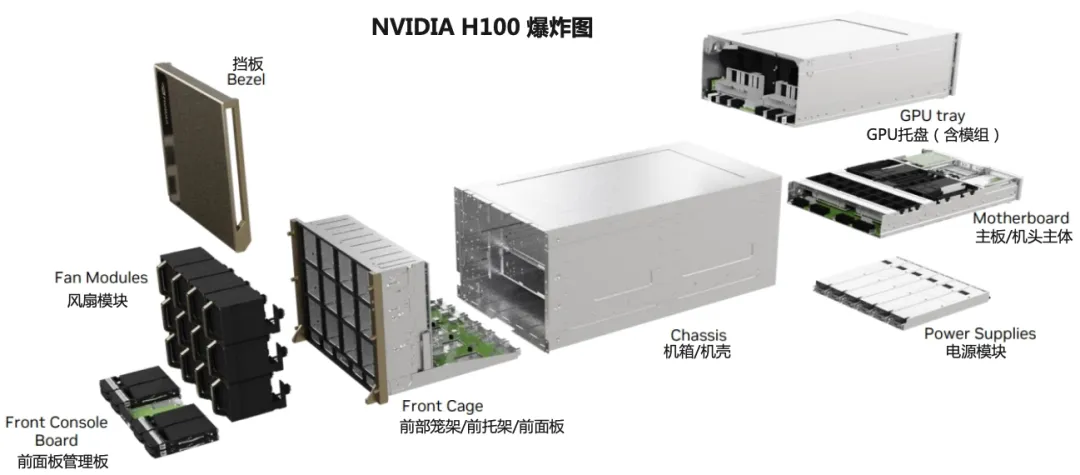
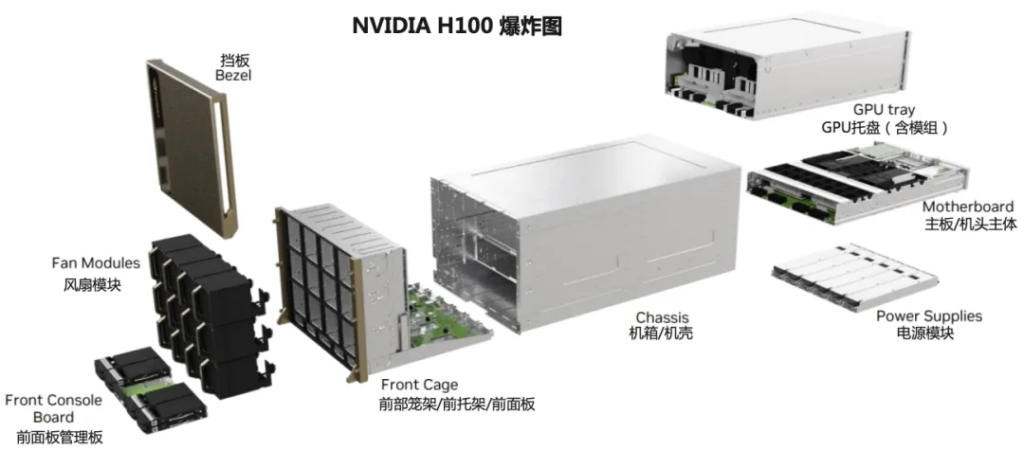
GPU servers (especially high-end Ai servers) include the head, modules, chassis and backplane, cooling systems, power modules, storage drives, network adapters, rack rails and cabling. In GPU server architectures – particularly intergrated AI servers such as NVIDIA DGX A100/H100/H200 – the concepts of the “head” and “module” are central to design.
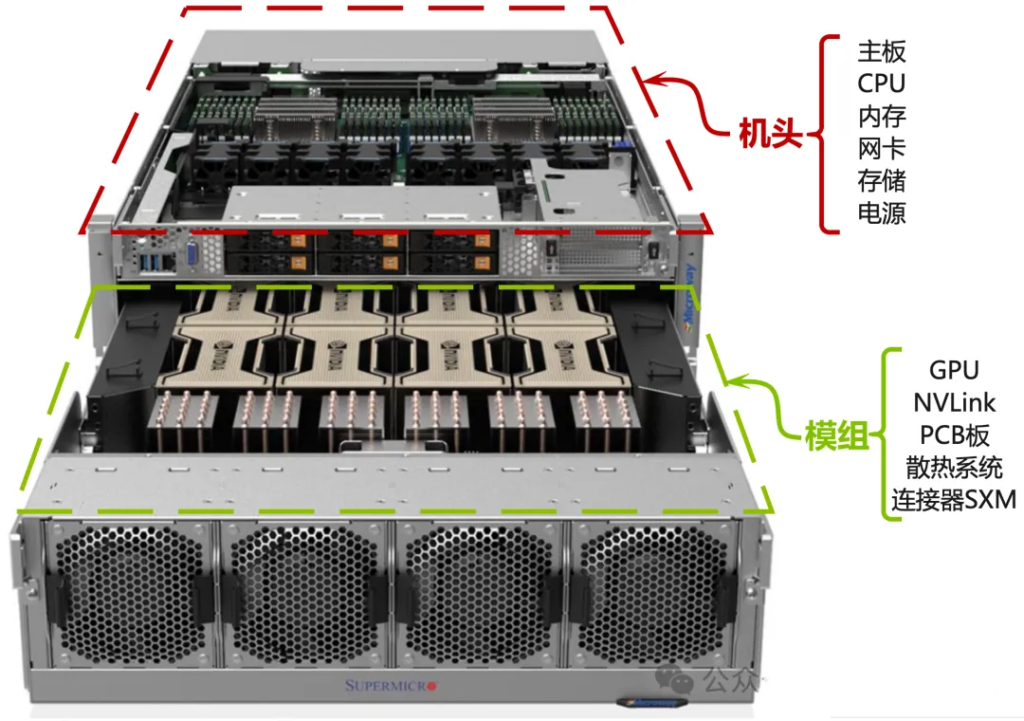
1)Definition: The head refers to the core compute and system-control section of a server that does not contain the GPUs. You can think of it as a “super motherboard without GPUs”. It handles overall scheduling, management, networking and base compute tasks.
2)Composition:
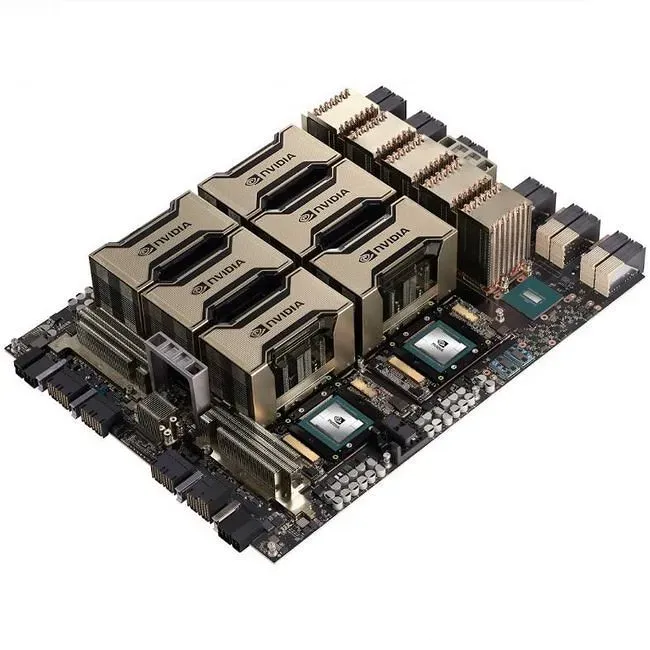
1)Definition: A module is a pluggable unit that carries GPUs and their high-speed interconnect components. A single head can attach to multiple modules, allowing high GPU density and ease of maintenance/upgrades.
2)Compsition:
Think of the GPU server as a factory.
Beyond the head and modules, a full GPU server typically includes:
1、Chassis and Backplane
2、Cooling System
Air cooling: Mutiple high-power fans with dedicated airflow channels. Liquid cooling: Increasingly used in high-density, high-power servers, via cold-plate or immersion cooling.
3、Power Delivery System
Redundant high-efficiency PSUs (Platinum/Titanium). An 8xH100 server can exceed 10kW under peak load and thus requires robust redundant power (often N+M).
4、Storage System
5、High-speed Networking
6、Rack Rails and Cabling